
 MRC Epidemiology Unit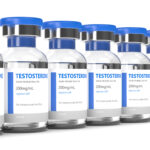
High levels of testosterone in the blood have been linked to a greater risk of coronary artery disease in men, according to new genetic research led by scientists at the […]
Ethnic differences in thiamine status
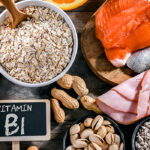
In this blog, the Unit’s Dr Albert Koulman discusses a new paper in which he and colleagues from our Nutrition Measurement Platform analysed differences in the thiamine (vitamin B1) status […]

Bans on ‘buy one, get one free’ deals: will they help us eat better?
A lot of unhealthy food in the UK is sold using price promotions or special offers, such as ‘buy one get one free (BOGOF)’ deals. At the start of October […]

Lack of support for people on weight loss drugs leaves them vulnerable to nutritional deficiencies
People prescribed the new generation of weight loss drugs may not receive sufficient nutritional guidance to support safe and sustainable weight loss, leaving them vulnerable to nutritional deficiencies and muscle […]

EPIC-Norfolk and Fenland studies shortlisted for the Novo Nordisk Foundation Inter-SUSTAIN call
The EPIC-Norfolk Study and Fenland studies have recently been shortlisted by the Novo Nordisk Foundation to take part in their Inter-SUSTAIN call. There is now an opportunity for researchers to […]

School street closures encourage more active forms of commuting
School street closures and other similar schemes are associated with a 6% increase in active commutes to schools, according to a new study in nearly 500 UK schools published today […]

Fenland Phase 3 completes data collection: thanks to all our volunteers!
Recruitment and data collection for Fenland phase 3 study is now complete. We are grateful to the more than 5,000 Fenland Study participants who took part in this phase of […]

Improve diet and increase physical activity at the same time to limit weight gain, Fenland Study suggests
Improving diet and increasing physical activity levels together may be more effective at preventing weight gain – particularly harmful fat inside the abdomen – than just changing one of these […]

Exploring lived experiences to help shape future care for next-generation weight management medications
A new study led by Dr Marie Spreckley is exploring the lived experiences of people using next-generation weight management medications. AMPLIFY (Amplifying Meaningful Perspectives and Lived experiences of Incretin therapy use From diverse […]
Counting the calorie impact of menu labelling
Since the introduction of calorie labelling in chain restaurants in 2022 there has been only a 2% reduction in the energy content of food available, according to new research published […]
- 1
- 2
- 3
- …
- 30
- Next Page »