
 MRC Epidemiology Unit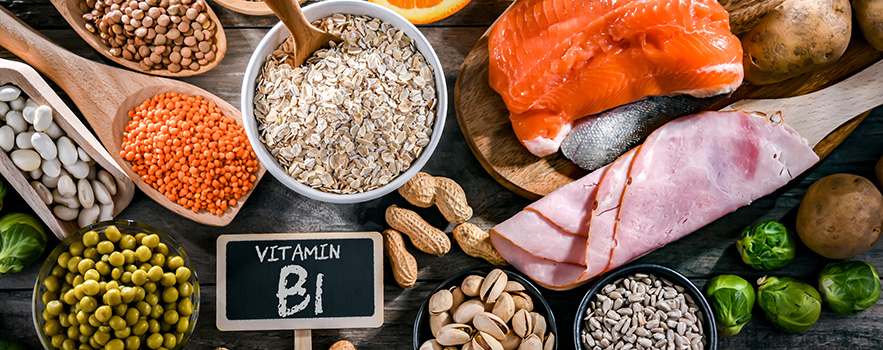
In this blog, the Unit’s Dr Albert Koulman discusses a new paper in which he and colleagues from our Nutrition Measurement Platform analysed differences in the thiamine (vitamin B1) status between ethnicities, using data from the UK National Diet and Nutrition Survey.
Thiamine – the essential nutrient
Thiamine (vitamin B1) is an essential nutrient that we get from pulses (beans/peas), nuts, dairy and from bread (white bread flour is fortified with thiamine). There is increasing evidence that vitamin B1 plays an essential role in cognition and mental health. Recent research suggests that there are ethnic differences in thiamine status. The team used data from the UK’s National Diet and Nutrition Survey to investigate if there is evidence of differences in measured vitamin B1 status between ethnicities.
Although the number of participants that self-identified as Black was small (in comparison to those who identified as White), their risk for thiamine deficiency was 10 times higher. It was found that Black and Asian participants did not consume as much vitamin B1 as White participants, but this was not enough to explain the difference in status between Black and White participants.
Thiamine (vitamin B1) status might play a role in cognition and mental health. Recent research suggests that there are ethnic differences in thiamine status.“
The work highlights the importance of systematic studies into the micronutrient status and requirements of different ethnic groups to provide everybody with optimal nutritional advice. Studies are required to determine the efficacy of micronutrient fortification strategies (adding vitamins to white bread flour) in different ethnic and cultural groups to prevent disparities in public health.
- Read Albert Koulman et al. Ethnic differences in thiamine status persist after adjusting for diet; Findings from the UK National Diet and Nutrition Survey Clinical Nutrition ESPEN (2026) to learn more about the research.