

The EPIC-Norfolk Study and Fenland studies have recently been shortlisted by the Novo Nordisk Foundation to take part in their Inter-SUSTAIN call. There is now an opportunity for researchers to […]

Fenland Phase 3 completes data collection: thanks to all our volunteers!
Recruitment and data collection for Fenland phase 3 study is now complete. We are grateful to the more than 5,000 Fenland Study participants who took part in this phase of […]
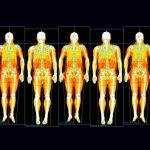
Improve diet and increase physical activity at the same time to limit weight gain, Fenland Study suggests
Improving diet and increasing physical activity levels together may be more effective at preventing weight gain – particularly harmful fat inside the abdomen – than just changing one of these […]

New study of genes and proteins sheds light on health differences between sexes
A new analysis of data on the relative protein abundances of nearly 6,000 human proteins in blood samples from the Fenland and UK Biobank studies finds that while the levels […]

Key role for Unit expertise in Lords plan to fix our broken food system
Today the House of Lords Food Diet and Obesity Committee published the report ‘Recipe for Health: a plan to fix our broken food system’. The MRC Epidemiology Unit provided expertise […]
Fenland Study helping uncover long term effects of pandemic on health behaviours
It’s now four years since the beginning of the COVID-19 pandemic. Research from the Fenland COVID-19 study and the main Fenland Study is helping us discover more about the impact […]
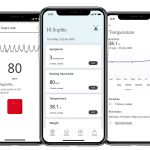
Fenland mobile app study finds feeling depressed linked to short-term increase in bodyweight
Increases in symptoms of depression are associated with a subsequent increase in bodyweight when measured one month later, new research from the MRC Epidemiology Unit at the University of Cambridge […]

Can improving cardiorespiratory fitness help prevent type 2 diabetes? Genetics may hold the answer
Higher cardiorespiratory fitness is associated with higher insulin sensitivity and lower risk of type 2 diabetes, but until now it hasn’t been clear if the relationship is causal, and the […]
Lessons for decentralised studies from high levels of engagement with Fenland COVID-19 study app
Scientists at the Medical Research Council (MRC) Epidemiology Unit at the University of Cambridge in collaboration with Huma Therapeutics Limited have published results from the Fenland COVID-19 study, showing that participants […]
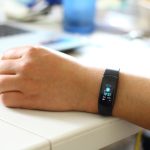
Fitness levels can be predicted using wearable devices…and no treadmill required!
Cambridge researchers have developed a method for measuring overall fitness accurately on wearable devices – and more robustly than current consumer smartwatches and fitness monitors – without the wearer needing […]