
 MRC Epidemiology Unit
A study of the DNA of more than 55,000 people worldwide has shed light on how we maintain healthy blood sugar levels after we have eaten, with implications for our […]
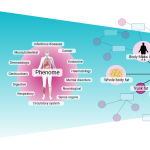
Identification of disease-causing proteins leads to new potential treatments for diseases like diabetes
New research has identified hundreds of proteins that might contribute to the onset of common, chronic metabolic diseases such as type 2 diabetes, and consequently pathways to potential treatments. The […]
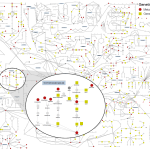
Revealing the chemical fingerprints of healthy metabolism and disease
An international collaboration led by scientists from the University of Cambridge and Berlin Institute of Health at Charité (BIH) has discovered more than 300 regions in the genome that contribute […]

Detecting the undetected: measuring levels of three proteins in the blood can aid detection of undiagnosed prediabetes
Scientists have used a proteomics approach to identify a three-protein signature in the blood that can improve detection of isolated impaired glucose tolerance, a form of prediabetes. The research, led […]
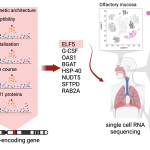
Proteogenomic analysis explains why some people suffer more from COVID-19 than others
A large number of people are still contracting COVID-19. Fortunately, most of them are experiencing only mild symptoms, largely thanks to the high vaccination rate. However, in some individuals the […]

COVID-19 Study demonstrates potential for at home blood sample collection
The ability to collect a blood sample painlessly from people at home without the need of a healthcare worker visit could transform the way healthcare and health research are conducted. […]
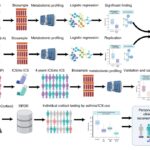
Metabolomic study links inhaled cortical steroid treatment for asthma to adrenal suppression
Inhaled cortical steroids (ICS) can help patients manage asthma symptoms, and recent updates to asthma treatment guidelines have expanded recommendations for low-dose treatment. But concerns persist that ICS may reduce […]
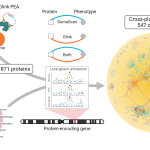
Combining proteomics techniques reveals importance of protein structure to health
In a study undertaken in more than 10,000 individuals, and published today in Nature Communications, scientists have shown that integrating information derived from different technologies to measure proteins can identify […]
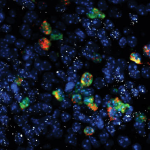
How our brain uses nutritional state to regulate growth and age at puberty
Scientists have discovered how a receptor in the brain, called MC3R, detects the nutritional state of the body and regulates the timing of puberty and rate of growth in children […]
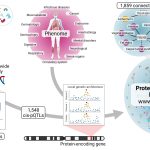
Filling the gaps: connecting genes to diseases through proteins
Hundreds of connections between different human diseases have been uncovered through their shared origin in our genome by an international research team led by Unit scientists, challenging the categorisation of […]